
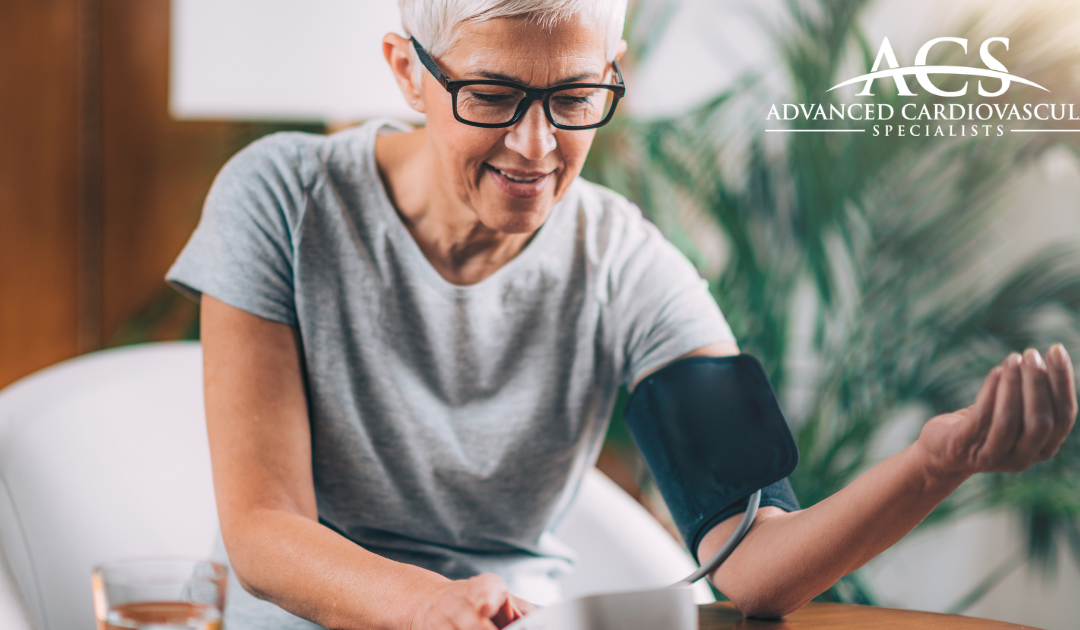
Controlling your blood pressure is a balancing act that involves a combination of lifestyle habits, maintaining a healthy weight and managing any chronic conditions. While some patients require medication to keep their numbers in the normal range, many people see significant improvements with simple lifestyle changes. Continue reading to learn our top tips for managing high and low blood pressure.
Reducing High Blood Pressure
High blood pressure (hypertension) is far more common than low blood pressure. The Centers for Disease Control and Prevention (CDC) reports that nearly half of all adults in the United States have high blood pressure. This means they either have a systolic reading (top number) above 130 mm Hg, have a diastolic reading (bottom number) above 80 mm Hg, or are taking medication for hypertension.
Because high blood pressure greatly increases the risk of heart disease and stroke, getting it under control is critical for your health. The good news is that a significant number of people successfully manage their blood pressure through lifestyle changes.
Diet:
- Eat a plant-based diet filled with fruits, vegetables, whole-grains, legumes, lean protein and low-fat dairy.
- Limit saturated fats, sugars and refined foods. Avoid trans fats.
- Lowering salt intake is one of the most effective ways to reduce blood pressure. An ideal goal is 1,500 mg per day.
- Getting enough potassium can also lower blood pressure. Most people benefit from 3,500 to 5,000 mg per day.
- Adequate water intake helps support healthy circulation and blood pressure.
Movement:
- Exercise is incredibly beneficial for blood pressure management. Get a minimum of 150 minutes of moderate-intensity aerobic exercise, and strength train at least twice per week.
- Moving more throughout your day is also important, especially if you have a desk job. Try to get up and move every hour throughout the workday. Add some walks in your free time.
Lifestyle Habits:
- Limit or eliminate alcohol.
- Quit smoking.
- Limit caffeine intake.
- Manage stress.
- Get sufficient, good-quality sleep (seven to nine hours per night).
Weight Management:
- Consider losing weight if you are overweight or obese. Every kilogram (2.2 lbs) lost can reduce your blood pressure by 1 mm Hg.
- Keep tabs on your waistline. A waist measurement greater than 40 inches for men and 35 inches for women is associated with an increased risk of high blood pressure.
Monitor Your Health:
- Schedule regular checkups, and consider monitoring your blood pressure at home.
- Make sure your cholesterol and blood sugar levels stay within a healthy range. High blood sugar and cholesterol can raise the risk of hypertension and heart disease.
Managing Low Blood Pressure
Low blood pressure (hypotension) can often be managed through lifestyle adjustments. If you regularly experience symptoms like lightheadedness, consider these strategies to stabilize your levels.
- Stay well-hydrated.
- Ensure that you get adequate salt intake.
- Eat small, frequent meals to prevent dips in blood pressure.
- Exercise regularly.
- Change positions slowly when sitting up after sleeping or shifting from sitting to standing to prevent dizziness.
- Compression stockings can help increase blood pressure through better circulation.
- Be careful with showers, baths, hot tubs and saunas. Hot temperatures can cause a drop in blood pressure.
The team at Advanced Cardiovascular Specialists consists of North Louisiana’s leading experts in cardiovascular care. For more information or to schedule an appointment, please call our office at (318) 798-9400.