
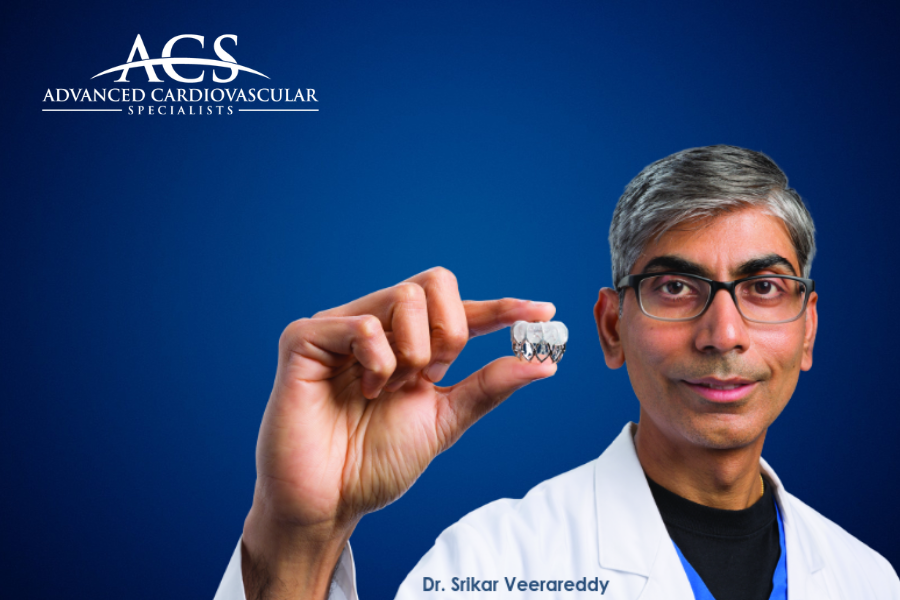
Modern cardiology offers a range of lifesaving devices from pacemakers that regulate heart rates to WATCHMAN™ devices that prevent blood clots, as well as stents and valve replacements that repair the heart. Although these implants are built for long-term use, they do not all necessarily last for the full lifespan of the patient.
The WATCHMAN™ Device
This device is used to reduce the risk of stroke, often in patients with atrial fibrillation. It can eliminate the need for daily medication. It can also minimize the long-term use of blood thinners and reduce the risk of bleeding complications.
The WATCHMAN™ is a lifetime implant. Once placed in the left atrial appendage, the endothelial tissue actually grows over the device. This keeps it in place to prevent blood clots that may form from entering the bloodstream. Patients do require regular cardiology checkups to monitor device efficacy and their heart health.
Pacemakers
A pacemaker is a small device that keeps the heart beating at a normal rate. Placed under the skin near the collarbone and wired into the heart, it uses mild electrical signals to prompt a normal rhythm whenever the heart beats too slowly or irregularly.
While the leads rarely need replacing, the pulse generator’s battery has a lifespan of five to 15 years. How quickly the battery drains depends on how often it needs to stimulate the heart. The average longevity sits between eight and 10 years.
The battery can be monitored remotely using wireless technology, reducing in-clinic evaluations to once a year or less after the initial post-implantation phase. When the battery begins running low, doctors replace the generator during a routine outpatient procedure.
Transcarotid Artery Revascularization (TCAR)
TCAR involves placing a stent to treat blocked or narrowed carotid (neck) arteries. This permanent stent provides lifelong structural support to treat plaque buildup and lower stroke risk.
During the procedure, a metal mesh tube (stent) is inserted into the artery through a small incision just above the collarbone: a process that typically takes 90 minutes or less. While the arterial stent is permanent, routine monitoring for renarrowing (alongside ongoing medication management and heart tracking) remains essential.
Transcatheter Aortic Valve Replacement (TAVR)
TAVR replaces a narrowed aortic valve with a bioprosthetic alternative. This minimally invasive procedure allows for lifesaving valve replacement without open-heart surgery. The new valve typically lasts between 10 and 20 years. It depends on patient age, overall health and how quickly biological valve tissue breaks down. Regular checkups help catch changes early. In many cases, doctors can place a second valve directly inside the original replacement to avoid open-heart surgery down the road.
Following the procedure, patients undergo remote heart monitoring via wearable electrocardiogram (ECG) patches or mobile cardiac telemetry for up to one month to prevent sudden complications and emergency readmissions. Past this high-risk period, smartwatches provide a convenient long-term safety net by tracking heart rate, detecting atrial fibrillation and monitoring other health trends.
The team at Advanced Cardiovascular Specialists consists of North Louisiana’s leading experts in cardiovascular care. For more information or to schedule an appointment, please call our office at (318) 798-9400.