
Despite its reputation, cholesterol is actually essential for survival. Found in every cell of the human body, this waxy substance is vital for building new cells, producing hormones and aiding digestion. Your liver makes all of the cholesterol your body needs, but we also absorb it from our diet. This is where a good thing can turn bad. Because cholesterol can’t dissolve in the bloodstream, excess amounts begin to accumulate and harden inside your artery walls. Over time, this narrowing slows down blood flow. It elevates your risk for artery disease, heart attack and stroke.
How Common Is High Cholesterol?
According to the Centers for Disease Control and Prevention (CDC), approximately 86 million U.S. adults age 20 or older have elevated total cholesterol levels above 200 mg/dL. That is almost one-third of all adults. High cholesterol is also rising among children and adolescents, affecting 7% of those ages 6 to 19.
How Is Cholesterol Measured?
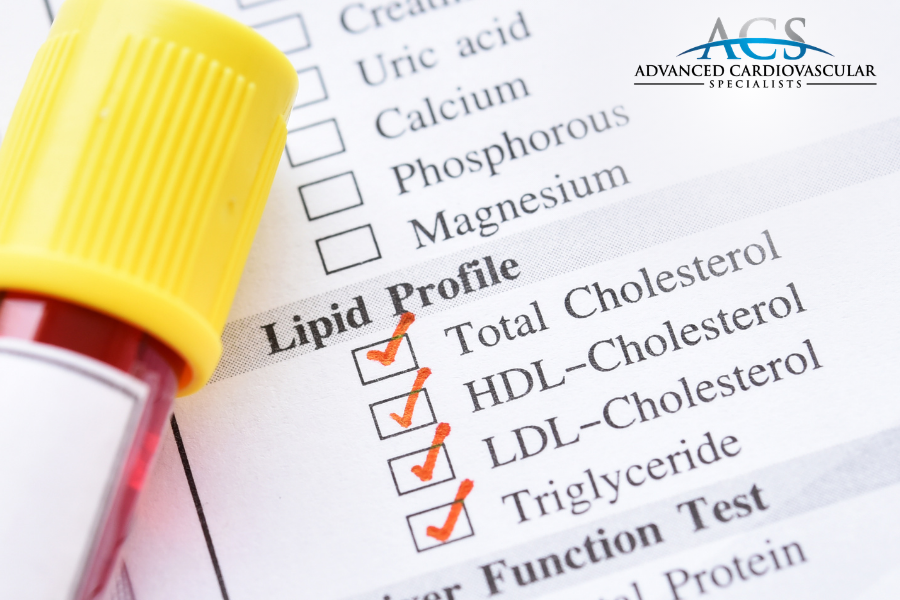
A blood test called a lipid panel is used to measure your cholesterol in milligrams per deciliter (mg/dL). This test checks the following levels in your body.
- Low-Density Lipoprotein (LDL): Also known as the “bad” cholesterol, too much LDL can lead to the buildup of plaque in your arteries.
- High-Density Lipoprotein (HDL): This is the “good” type of cholesterol. Unlike LDL, high levels of HDL is actually a good thing because it helps protect your arteries against plaque.
- Triglycerides: This is a type of fat in your blood cells. Knowing this level is important because high levels combined with high LDL or low HDL can increase your risk for heart attack and stroke.
- Total Cholesterol: The overall amount of cholesterol is calculated using your LDL, HDL and triglyceride results.
What Should My Levels Be?
The optimal levels for cholesterol are noted below.
- LDL Cholesterol: Less than 100 mg/dL
- HDL Cholesterol: 60 mg/dL or higher
- Triglycerides: Under 150 mg/dL
- Total Cholesterol: Less than 200 mg/dL
Why High Cholesterol Is Dangerous
When excess LDL collects in your bloodstream, it creates thick buildups of plaque inside your arteries. This process is called atherosclerosis. The condition usually develops without any symptoms, meaning that your risk for a cardiac event increases with no warning signs.
How does atherosclerosis lead to serious health conditions? As plaque accumulates, it narrows the arteries and prevents healthy circulation. This can lead to vascular disease affecting your arms and legs, heart, brain, and other vital organs. When plaque buildup becomes significant, it can block the arteries to your heart. This can trigger a heart attack. If a piece of that plaque breaks loose and travels to the brain, it can block an artery and cause a stroke.
How To Balance Your Cholesterol
Making heart-healthy lifestyle choices can help get your numbers into a healthy range or ensure they stay there throughout your lifetime.
- Eat A Healthy Diet: A whole-food, nutrient-rich diet that limits unhealthy fats and prioritizes healthy fats, omega-3 fatty acids and fiber is key to managing cholesterol levels. We recommend cutting back on saturated fats found in red meat and full-fat dairy products, as well as eliminating trans fats. Trans fats are often listed as “partially hydrogenated vegetable oil” on food labels.
- Prioritize Exercise: Physical activity boosts HDL levels and helps lower triglycerides. Aim for at least 150 minutes of moderate-intensity activity per week. Avoid long sedentary periods by getting up and moving around regularly throughout the day.
- Watch Your Weight: Excess body fat can raise LDL and lower HDL levels, especially visceral fat. This is the deep fat that accumulates around the organs in your abdomen.
- Lose The Bad Habits: Don’t smoke, or quit if you do smoke. Drink alcohol only in moderation to raise your HDL levels.
- Get Regular Checkups: A blood test is the only way to know if you have high cholesterol. Make sure you keep up with regular screenings recommended by your healthcare team.
If lifestyle changes aren’t enough, your physician may recommend medication to help reduce your cholesterol. This doesn’t mean you can rely on medication alone. You still need to follow a heart-healthy lifestyle in order to manage cholesterol levels.
Taking control of your numbers is one of the best investments you can make for your long-term heart health.
The team at Advanced Cardiovascular Specialists consists of North Louisiana’s leading experts in cardiovascular care. For more information or to schedule an appointment, please call our office at (318) 798-9400.