
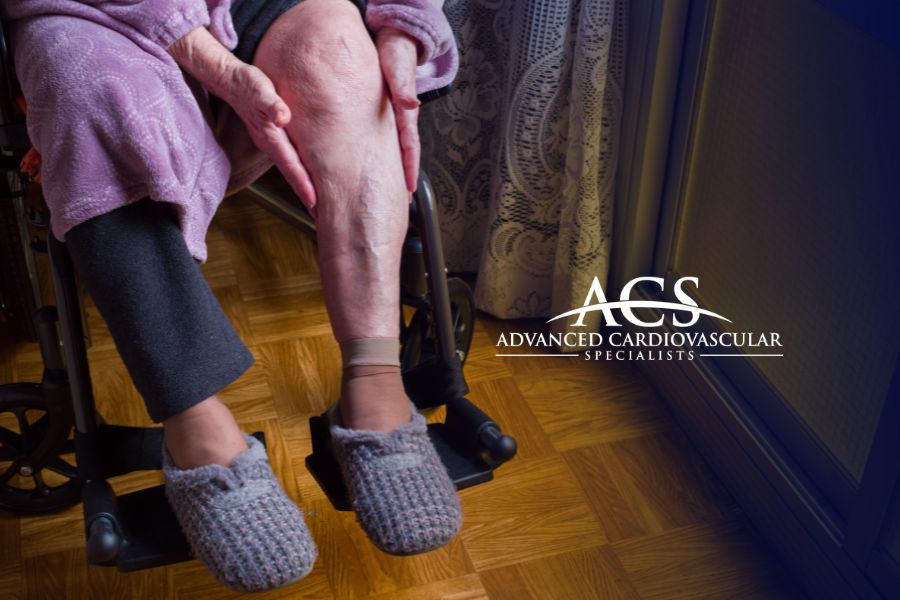
March is Deep Vein Thrombosis (DVT) Awareness Month: dedicated to spreading awareness of DVT and how to prevent it. Deep vein thrombosis occurs when a blood clot forms within a deep vein, usually in the leg. Although some clots dissolve on their own, they can become dangerous when part of it breaks loose and travels to the lungs. This results in a blockage called a pulmonary embolism. Without medical intervention to restore blood flow, this complication can quickly become life-threatening.
Deep Vein Thrombosis Statistics
According to data from the Centers for Disease Control and Prevention (CDC), an estimated 900,000 Americans are affected by venous thromboembolism (a term encompassing both deep vein thrombosis and pulmonary embolism) annually. The CDC also reports 60,000 to 100,000 deaths each year as a result of venous thromboembolism. It has a mortality rate of up to 1 in every 9 cases.
DVT Causes And Symptoms
The most common causes of DVT involve reduced blood flow from prolonged inactivity (such as long-distance travel or bed rest) or damage to the veins from trauma or surgery. Several other factors can increase individual risk.
- Cancer
- Chronic heart, lung or metabolic conditions
- Dehydration
- Hormone replacement therapy and estrogen-containing contraceptives
- Family history of blood clots or blood-clotting disorders
- Obesity
- Pregnancy
- Previous blood clot
- Recent injury or surgery
- Smoking
- Varicose veins
Many cases of DVT are asymptomatic. When symptoms do occur, they most commonly include the following issues:
- Swelling
- Redness
- Warm skin
- Unexplained pain or tenderness
DVT Prevention Strategies
Although DVT is not always avoidable, there are ways to reduce your risk of developing a blood clot.
- Keep Moving: Avoid long periods of inactivity, particularly during travel. Get up and move regularly. Perform seated stretches and exercises to keep your blood flowing. When seated, don’t cross your legs because this can impede blood flow. If you are hospitalized or on bed rest, ask your healthcare team for specific DVT prevention protocols.
- Compression Stockings: These can be helpful for promoting blood flow during medical recovery or long-distance travel.
- Hydrate Properly: Dehydration can reduce blood circulation. Stay well-hydrated, especially during periods of immobility.
- Lifestyle Advice: Quit smoking, and maintain a healthy weight.
Be on the lookout for DVT symptoms when traveling or if you are recovering from a recent injury, surgery or medical condition. People who have active cancer, are pregnant or are using hormone medications should be vigilant about recognizing blood clot symptoms early. If you experience any symptoms of DVT, seek immediate medical evaluation. Delaying treatment can be life-threatening.
The team at Advanced Cardiovascular Specialists consists of North Louisiana’s leading experts in cardiovascular care. For more information or to schedule an appointment, please call our office at (318) 798-9400.